Antibalas

Presented by KFAI’s Temposphere
Tuesday, September 1, 2026
6:30 pm Doors // 7:30 pm Music
All Ages
$79 ($95.77 w. taxes/fees) Premium Seating
$69 ($84.24 w. taxes/fees) Preferred Reserved Seating
$59 ($72.69 w. taxes/fees) Advance General Admission
$69 ($79 w. taxes/fees) At The Door General Admission
Ticket purchases are final and non-refundable
“A raucous, joyous celebration of afrobeat!" — Rolling Stone
Born in a Brooklyn warehouse in 1997, Antibalas is credited with resurrecting Afrobeat and reviving it for a global audience, influencing countless musicians and developing a live show that is the stuff of legend. Be ready to dance! Presented by KFAI’s Temposphere.
There just aren't many bands like Antibalas. These are jazz players making dance music: Their music is big and fun, and their guiding spirit is Fela Kuti, the brilliant big-band leader and Nigerian Afrobeat pioneer. Afrobeat is a musical style featuring nearly endless songs, mixing funk and jazz, grooves and riffs, with the rhythm carried by not only the drums, but everyone. Everyone — horn players, bass players, guitarists — plays rhythm in Afrobeat music.
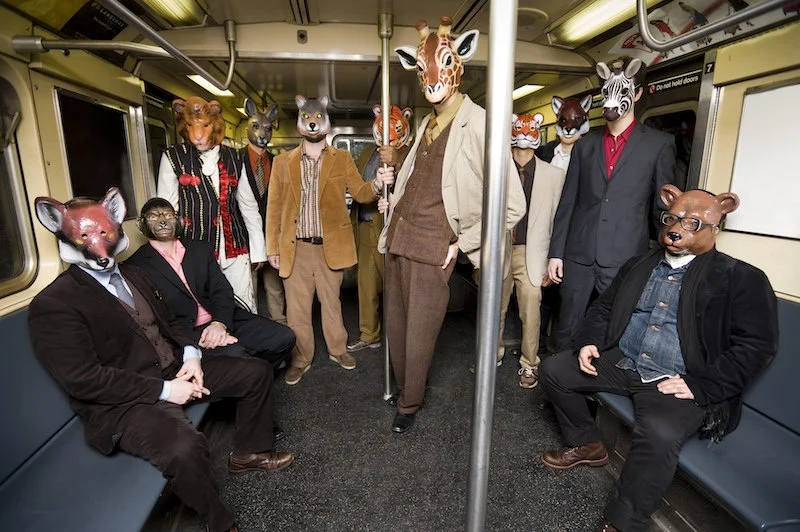
The group, whose name means "bulletproof" or “anti-bullet” in Spanish, employs a musical arsenal that has become known worldwide. Initially using the revolutionary blueprint of Afrobeat as a launching pad, the dozen-strong members of Antibalas weave a rich tapestry of Latin, jazz, classical, funk, and soul into their horn-driven mix. Words fail in trying to describe the result: simultaneously polyrhythmic and political, independent and contagious, and the reason why many have credited the band for introducing Afrobeat's framework to a new generation.
The Antibalas horn section has performed on Grammy award-winning albums by Angelique Kidjo and Mark Ronson and dozens of albums, sound tracks, and live guest appearances with artists including The Roots, My Morning Jacket, TV on the Radio, Santigold, Jovanotti, Nneka, Alabama Shakes, The String Cheese Incident, Paul Simon, Public Enemy, and numerous others.
Former members have gone on to record and perform with The Dap Kings, Mark Ronson, The Black Keys, the Arks, Menahan Street Band, the El Michels Affair, Arcade Fire, Iron and Wine, Bat For Lashes, and Imogen Heap.
It's one thing for a big group to make a big sound — and, sure, Antibalas does that — but what stands out is the subtlety of this ensemble; the way the horns weave in and out of each other, sometimes complementing and at other times inspiring and creating musical conversation between players. That extends to all the players, from vocals to guitar. When you start to listen to that conversation and you hear that build in a rhythm, it's so powerful, so full of joy. If they come to your town, drop what you're doing and go see them. Wear dancing shoes.
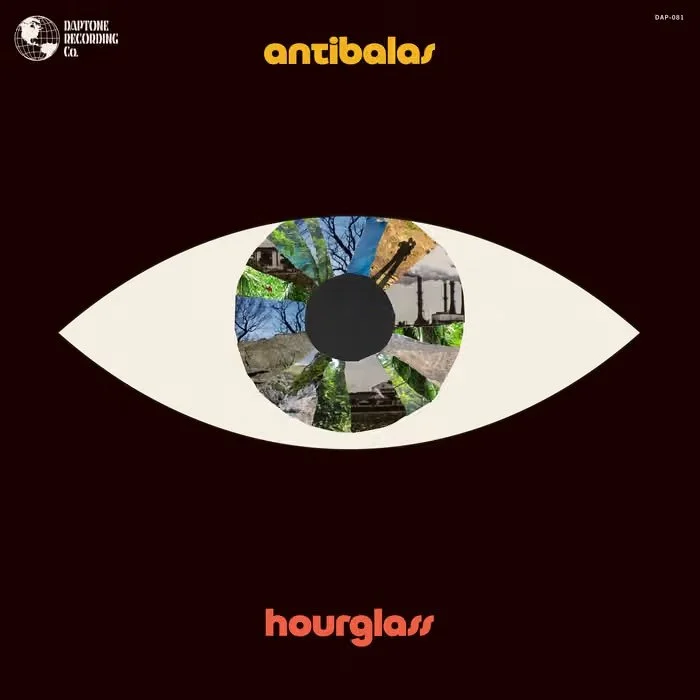
With their latest release Hourglass (Daptone Records, 2025), Antibalas returns to its instrumental roots. Previous albums featured lyrics that addressed topics like patriarchy, climate change, militarism, late stage capitalism, oligarchy, white ethnonationalism, and the genocide of Native Americans. In this album the group rearticulates these themes, however speaking through melody and rhythm. “Once a song has lyrics, everyone who doesnʼt speak that language is on the outside. We use rhythm and melody to translate the emotions in the album and make it universally accessible,” explains the co-producer/founder Martín Perna.
The new album draws on compositions written by several current and emeritus members of the group. "Hourglass" begins with a plaintive and ecstatic tenor saxophone solo before digging into an intense 12-8 groove. The group pivots with “Lo-Life” highlighting the groupʼs ability to swing a lá Machito or the 1970s Ghanaian dance band leaders like Gyedu Blay-Ambolley. Others like “Solace,” “Escape” and “La Ceiba,” conjure echoes of the classic Lagos afrobeat sound, albeit spoken with a Brooklyn accent. “Oasis,” the albumʼs finale, is a step into a psychedelic unknown future, with a deep sense of liberatory funk eternally at its core.
“Rhythm is what makes a good Afrobeat record,” says Gabriel Roth, Daptone Records co-founder, producer, and connoisseur of all things funky. “Not just the rhythm section, but the rhythm of the horns, the rhythm of the vocals, the rhythm of the keyboards, everybody’s rhythm. It’s not just being about being right or wrong in your rhythm, or being good at it, but it’s about feeling something the same way, swinging the same way, anticipating things the same way, and hitting things the same way — everybody hearing music the same way, and being able to turn all those instruments into one voice.
“Antibalas is the only band that can do that, right now. That’s why they’re still at the front of the scene, after all these years.”