
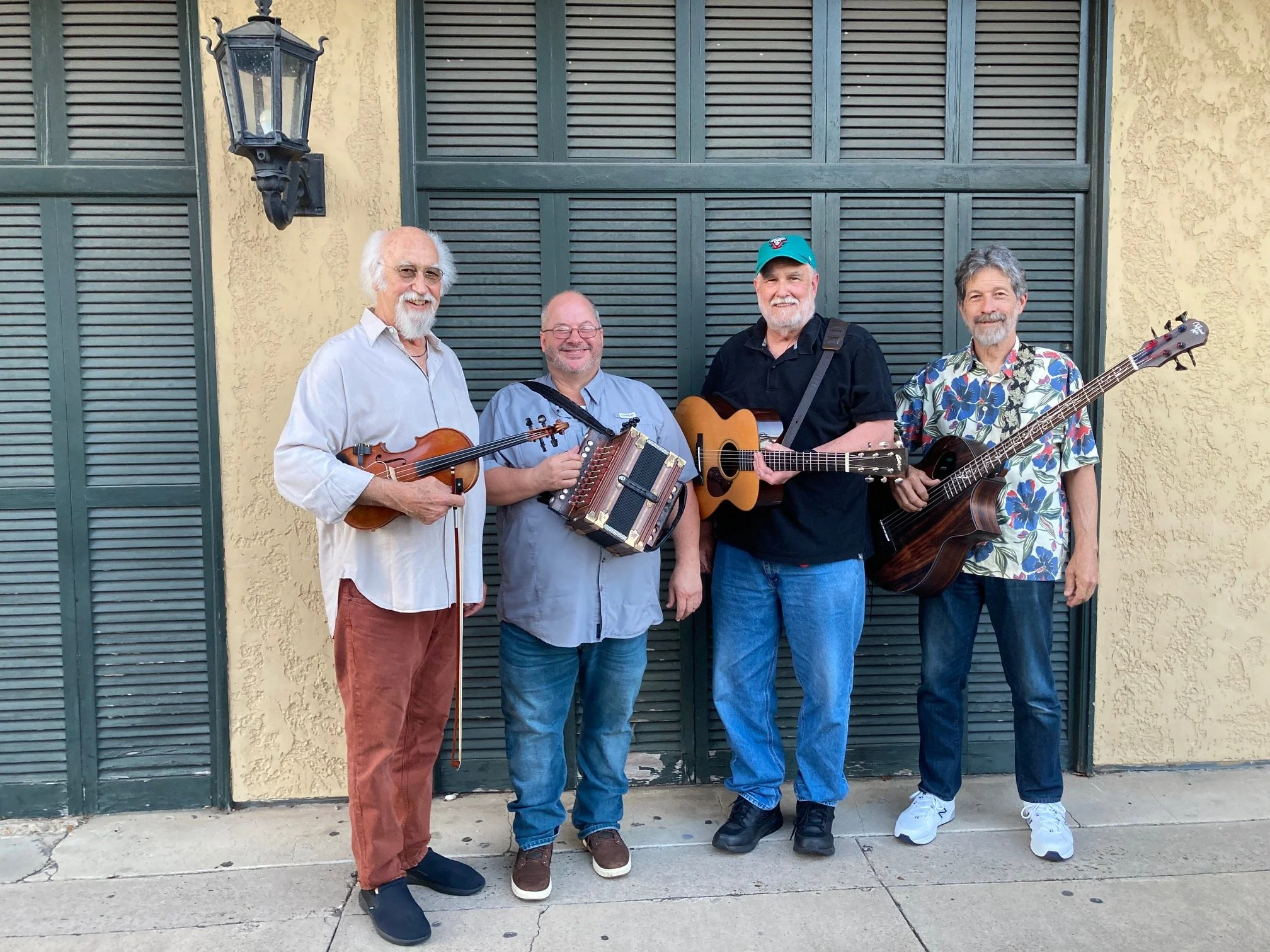
BeauSoleil avec Michael Doucet
Tuesday, March 10, 2026
6:30 pm Doors // 7:30 pm Music
All Ages
$55 ($68.07 w. taxes/fees) Premium Seating
$45 ($55.38 w. taxes/fees) Preferred Reserved Seating
$35 ($43.85 w. taxes/fees) Advance General Admission
$40 ($46 w. taxes/fees) At The Door General Admission
Ticket purchases are final and non-refundable
Facebook RSVP
For the past 50+ years, GRAMMY Award-winning Cajun legends BeauSoleil avec Michael Doucet have been making some of the most potent and popular Cajun music on the planet.
Born out of the rich Acadian ancestry of its members, and created and driven by bandleader Michael Doucet’s spellbinding fiddle playing and soulful vocals, BeauSoleil is notorious for bringing even the most staid audience to its feet. BeauSoleil’s distinctive sound derives from the distilled spirits of New Orleans jazz, blues rock, folk, swamp pop, Zydeco, country and bluegrass — captivating listeners from the Jazz and Heritage Festival in New Orleans, to Carnegie Hall, then all the way across the pond to Richard Thompson’s Meltdown Festival in England.
Laissez les bon temps rouler!
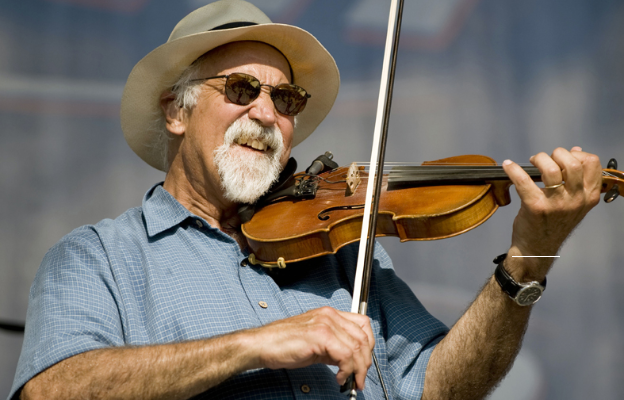
Their most recent album and the 25th in their fifty-plus-year career, is titled From Bamako to Carencro, alluding the cultural and migratory connection between Bamako, in Mali, West Africa, and Louisiana (symbolized in name by the Lafayette, LA suburb of Carencro), a connection that draws a sonic bloodline back to BeauSoleil’s roots. Since becoming the first Cajun band to win a GRAMMY with L’amour Ou La Folie (their Traditional Folk Album, released in 1998) and then a second GRAMMY in 2010, Live at the New Orleans Jazz & Heritage Festival, BeauSoleil has garnered many accolades, including a total of twelve GRAMMY nominations. They are regular guests on Garrison Keillor’s NPR show A Prairie Home Companion, where Keillor has dubbed them as “the best Cajun band in the world,” and their music is so integral to the Cajun culture that they have been featured on the critically-acclaimed New Orleans–based HBO series, Treme. Critics unanimously agree that it is “bon temps, every time they play,” (New York Times).